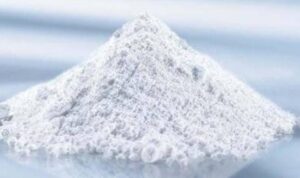
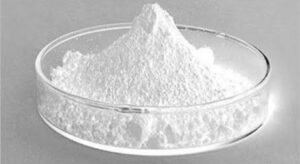
 Given your business specialization (marble handicrafts) and interest in related products (e.g., marble roti maker / marble roti chakla), here’s how this powder might tie in:
If you produce or supply Makrana marble, you could leverage the powder by-product (the fines/leftover from cutting/grinding) and convert those into value-added powder for industrial/commercial markets (thus better utilization of waste).
The powder can be marketed as “Makrana calcite powder” / “Makrana calcium carbonate powder” for use in industries: fillers in paints/coatings, plastics, adhesives, tile/grouting compounds, etc.
Because Makrana marble has a strong heritage (used in monuments like the Taj Mahal) and recognized quality (whiteness, durability) you may have a branding advantage: “Makrana origin, high whiteness calcium carbonate powder”.
You may want to check regulatory/food-grade status if you intend to use the powder for food/roti making surfaces (though generally for roti-chakla you’d use solid marble not powder). But for industrial powder sales, you’ll market to non-food sectors.
Things to check / caution points
Ensure consistent purity and whiteness, especially if targeting premium industrial markets.
Understand the mesh/particle size your customers need. Filler industries often require fine micron sizes, specific surface areas, etc.
Packaging & logistics: Powder handling has dust issues; proper bags, storage, moisture control matter.
Branding/origin claims: If you call it “Makrana calcium carbonate powder”, you’ll want proof of origin or traceability (since “Makrana” has reputation).
Differentiation: Many calcium carbonate powders are produced in India; highlight what makes Makrana’s variant special (heritage, purity, whiteness) to justify premium.
Use-cases: Some markets (food grade) have stricter standards; if targeting those you’ll need certifications. Most industrial uses are less stringent but still quality matters.
